In a dramatic escalation of the Jeffrey Epstein saga, previously withheld FBI interview summaries from 2019 have finally surfaced, and an independent journalistic investigation has now corroborated key personal details from the woman’s accounts. The revelations center on a woman from South Carolina who told federal agents she was drawn into Epstein’s world in the 1980s while living on Hilton Head Island.
The Department of Justice released the three missing FBI 302 memos in early March 2026, after they were initially omitted from the massive document dump mandated by the Epstein Files Transparency Act. Officials cited “incorrect coding as duplicative” as the reason for the delay, but the gap had already sparked widespread skepticism about the completeness of prior releases. Together with one earlier public summary, the documents detail four separate interviews agents conducted with the woman following Epstein’s 2019 arrest.
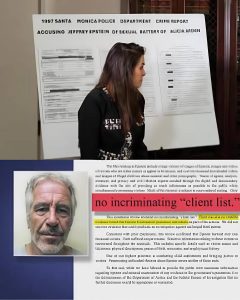
In those sessions, she described being pulled into Epstein’s circle, alleged manipulation within his network, and encounters facilitated through his connections. While her broader claims involving high-profile figures remain uncorroborated by independent evidence, the focus has now shifted to the credibility of her foundational story.
A thorough investigation by The Post and Courier, a South Carolina newspaper, cross-checked her statements against public records, family history, legal documents, and local archives. Reporters verified approximately 16 specific details about her background, family circumstances in the 1980s, and elements tied to another individual she referenced in her testimony. These confirmed facts—ranging from residential and legal entanglements to personal timelines—do not prove every allegation but demonstrate remarkable consistency in the woman’s recollections across decades.
The verification adds weight to questions about why the additional memos were withheld for so long and whether other materials may still be missing from the public archive. FBI agents conducted multiple follow-up interviews, a practice sources say signals that her initial account warranted serious attention at the time. Yet no charges resulted from these leads, and with Epstein deceased since 2019 and statutes of limitations long expired, accountability remains elusive.
This development has intensified calls for full transparency. Critics argue the delayed disclosures erode public trust in federal handling of the Epstein case, especially amid the release of millions of pages under the Transparency Act. Supporters of greater openness point out that every verified fragment helps pierce the veil of secrecy that long surrounded Epstein’s operations.
As more scrutiny falls on the handling of witness materials, the woman’s partially corroborated testimony keeps the Epstein files in the spotlight. It raises pointed questions: How many other interviews or notes remain buried or misclassified? And in a case defined by elite connections and hidden influence, what does partial verification truly reveal about the pursuit of complete justice?
The latest chapter ensures the Epstein investigation continues to demand answers, underscoring the tension between official narratives and the persistent push for unfiltered truth.
Leave a Reply