In the shadow of one of the most infamous scandals in modern history, a striking contradiction has emerged. Darren Indyke, who served as Jeffrey Epstein’s personal attorney for over two decades, received enormous sums from the disgraced financier. Yet during recent testimony before the House Oversight Committee, Indyke portrayed himself as little more than a distant professional advisor who remained oblivious to Epstein’s darker activities.
Court documents and financial records reveal that Indyke was far from a peripheral figure. Between 2011 and 2019, Epstein and his entities reportedly paid Indyke more than $16 million for legal services, alongside millions more in loans that were later forgiven. As co-executor of Epstein’s estate alongside accountant Richard Kahn, Indyke stood to benefit handsomely, with reports indicating tens of millions in total compensation tied to his long-standing role. He handled corporate transactions, managed press inquiries, and even facilitated large cash withdrawals on Epstein’s behalf—sometimes spacing them out to stay under federal reporting thresholds.
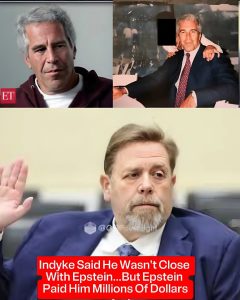
Despite this deep entanglement, Indyke’s congressional deposition painted a vastly different picture. He insisted he had “no knowledge whatsoever” of Epstein’s wrongdoings. “Had I known that he was abusing or trafficking women, I would have quit working for him at once and severed all ties,” he stated in his opening remarks. Indyke emphasized that he did not socialize with Epstein and had no insight into his client’s private life “after hours, behind closed doors.”
The lawyer further rejected any suggestion that he knowingly facilitated illicit activities, noting that no accusers had ever claimed he witnessed or participated in misconduct. He described his work as strictly limited to legitimate legal and transactional matters, downplaying personal closeness and insisting the relationship was purely professional.
This defense has sparked skepticism among lawmakers and observers. How could someone so intimately involved in Epstein’s financial and legal affairs claim near-total ignorance of the empire’s underbelly? Critics point to the sheer volume of payments and Indyke’s role as a trusted insider as evidence of a closer bond than admitted. Some have questioned whether such professed obliviousness strains credibility, especially given the scale of resources funneled his way over years.
Indyke’s testimony adds to a familiar pattern in the Epstein saga: key associates distancing themselves after the fact. While he maintains his hands were clean and his eyes were closed to any impropriety, the financial trail tells a story of profound reliance and reward. As congressional scrutiny continues, the public is left wondering where professional duty ends and willful blindness begins.
In an era demanding accountability, Indyke’s claims highlight a troubling disconnect—one where immense compensation meets convenient amnesia. Whether this narrative holds under further examination remains to be seen, but it underscores how even those closest to power can profess to see nothing at all.
Leave a Reply