Cadaver Dogs Search Epstein’s Remote Zorro Ranch in New Mexico for Possible Human Remains
By U.S. Crime Correspondent
Santa Fe, New Mexico, March 31, 2026
In the arid high desert of New Mexico, specialist cadaver dogs have begun a grim search across the sprawling Zorro Ranch once owned by the late Jeffrey Epstein, as authorities investigate long-standing allegations that the remote property may hold dark secrets beyond the sexual abuse already documented in court records and survivor testimonies.
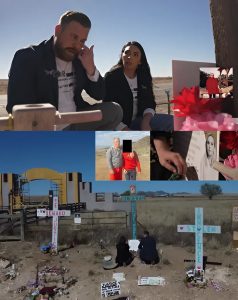
The 7,600-acre estate, located about 30 miles south of Santa Fe near Stanley, features a massive 26,700-square-foot mansion and was one of Epstein’s primary retreats. Multiple survivors have alleged they were trafficked to the ranch and sexually abused there by Epstein and associates, including Ghislaine Maxwell. Now, fresh scrutiny has turned to claims that violence on the property may have gone even further, prompting New Mexico’s Department of Justice to deploy teams with dogs trained to detect human remains.
The search, which began earlier this month, was triggered in part by a resurfaced 2019 anonymous email sent to a local radio host. The sender, claiming to be a former ranch employee, alleged that two “foreign girls” died by strangulation during “rough, fetish sex” and were buried on Epstein’s orders “somewhere in the hills outside the Zorro.” The email was among materials released in the latest batch of Epstein files by the U.S. Department of Justice. A separate tipster also shared photos of what appeared to be “grave-like plots” on or near the property.
New Mexico investigators conducted the first formal search of the ranch on March 9, 2026. So far, authorities have reported that no human remains have been discovered. Officials emphasize that the operation is part of a broader criminal investigation into allegations of sex trafficking and abuse at the property, reopened after the latest document releases. A bipartisan “truth commission” of state lawmakers has also been established to examine what occurred at Zorro Ranch over the decades Epstein owned it.
The ranch’s isolation — set against sun-scorched desert landscapes with limited public access — has long fueled speculation about what may have happened behind its gates. Survivors have described being flown to the property, sometimes under the guise of modeling opportunities or educational programs, only to face exploitation. Annie Farmer and another accuser known as “Jane” testified during Maxwell’s 2021 trial about abuse they said occurred at the ranch.
Legal experts note that while the anonymous email and tipster claims provide a basis for investigation, they remain unverified and lack corroborating physical evidence to date. Cadaver dogs are highly trained but can produce alerts that require further forensic confirmation, such as ground-penetrating radar or excavation. The vast size of the property and surrounding public lands complicates the effort, and authorities have not ruled out expanding the search area.
Epstein purchased the land in the 1990s and developed it into a luxury compound that included stables, a vintage caboose, and other amenities. Photos released in the Epstein files show Epstein on the property with dogs and guests, presenting an image of opulent isolation. Critics argue that the ranch’s remoteness may have enabled crimes to occur with less risk of detection.
The development has sent shockwaves through the ongoing Epstein saga. Epstein died by suicide in federal custody in 2019 while awaiting trial on sex-trafficking charges. Maxwell was convicted of sex trafficking and related offenses and is serving a 20-year sentence. Despite victim settlements totaling hundreds of millions of dollars, many questions about the full scope of Epstein’s network remain unanswered.
As cadaver dogs continue their methodical work across the red soil and desert terrain, the central question looms large: what dark secrets, if any, will they uncover beneath the surface of Zorro Ranch? For survivors and the public, the search represents a belated but significant step toward determining whether the horrors alleged at the property extended to murder and concealment.
New Mexico authorities have pledged to follow the evidence wherever it leads, but the passage of decades, the scale of the land, and the nature of the allegations make the investigation both technically challenging and emotionally charged. Whether human remains or other corroborating evidence emerges could dramatically reshape the understanding of Epstein’s crimes in New Mexico.
Leave a Reply