Armed French police burst into the gleaming Paris headquarters of Edmond de Rothschild last Friday, rifling through files and computers — while bank CEO Ariane de Rothschild stood watching in the heart of her family’s historic empire.
Their target: evidence that former employee and French diplomat Fabrice Aidan allegedly sent classified United Nations documents and confidential briefings to convicted sex offender Jeffrey Epstein between 2010 and 2016.
Aidan, who served at the UN from 2006 to 2013 before joining the bank, now faces a high-stakes corruption probe for suspected passive bribery of a foreign public official and complicity. His name appears in more than 200 pages of the explosive Epstein files released by U.S. authorities.
The raid has rocked Europe’s secretive old-money circles, shining a harsh new light on how far Epstein’s web of influence may have stretched into elite diplomacy and private banking.
What classified secrets did investigators just seize — and where will the trail lead next?
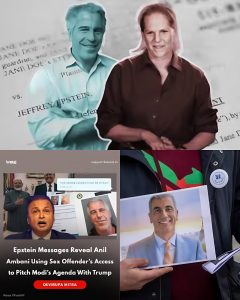
Armed French police swept into the gleaming Paris headquarters of Edmond de Rothschild last Friday, launching a dramatic search that stunned employees and rattled Europe’s discreet world of private finance. As investigators moved through the elegant offices examining computers and seizing documents, one of the witnesses to the unprecedented moment was the bank’s own executive chairwoman, Ariane de Rothschild, standing inside the institution that carries her family’s historic name.
The raid was carried out as part of a corruption investigation focused on Fabrice Aidan, a former employee of the bank and a former French diplomat. Prosecutors from France’s national financial prosecutor’s office are examining whether Aidan may have shared sensitive information and engaged in activities that could constitute passive bribery involving a foreign public official.
According to the investigation, authorities are closely analyzing communications between Aidan and the late financier Jeffrey Epstein that reportedly took place between 2010 and 2016. During that period, Aidan was connected to international diplomatic networks following his service at the United Nations from 2006 to 2013. Investigators are attempting to determine whether any confidential or restricted information may have been exchanged and whether such communications could violate French anti-corruption laws.
After leaving his diplomatic role, Aidan later joined the Edmond de Rothschild banking group, placing him within one of Europe’s most prestigious private financial institutions. The Swiss-based bank, founded in 1953 by Baron Edmond de Rothschild, has long been known for managing wealth for ultra-high-net-worth clients and maintaining a reputation for discretion within global finance.
The decision to conduct a raid at the bank’s Paris offices represents a rare and highly visible move by authorities investigating potential corruption linked to individuals connected to Epstein. During the search, investigators reportedly reviewed internal communications, electronic records, and archived documents that could help clarify the nature of Aidan’s interactions and whether they intersected with his professional responsibilities.
Aidan’s name has appeared in more than 200 pages of documents tied to Epstein that were released through legal proceedings in the United States. The presence of a figure with both diplomatic and financial connections in those records has drawn attention from investigators seeking to understand how Epstein’s network reached across international political and financial circles.
Authorities have not accused Edmond de Rothschild Bank itself of wrongdoing. However, the presence of investigators inside the headquarters of such a historically prominent institution has sent shockwaves through Europe’s tightly knit financial community. Private banks, especially those serving wealthy families and international elites, typically operate far from public scrutiny, making the search particularly striking.
The investigation also underscores the continuing global impact of the Epstein scandal. Years after his death in 2019, documents, testimonies, and court filings related to his activities continue to surface, prompting new questions about the scope of his relationships with influential figures around the world.
For prosecutors, the materials seized during the raid may prove crucial in determining whether any criminal conduct occurred. Digital communications, archived records, and financial documentation will now undergo careful forensic analysis as investigators attempt to reconstruct the timeline and context of Aidan’s alleged interactions.
As authorities examine the evidence collected from the bank’s offices, the case has already triggered intense discussion within Europe’s diplomatic and financial circles. The central question now facing investigators is whether the documents and data they seized will reveal misconduct — or simply provide further clarity about a complex web of international contacts.
For the moment, the answers remain locked inside the files that investigators carried out of the Paris headquarters.
Leave a Reply