Long-hidden details from a South Carolina woman’s 2019 FBI interviews are emerging with fresh credibility, thanks to an independent journalistic probe that has verified key elements of her personal story. The revelations center on four FBI sessions conducted shortly after Jeffrey Epstein’s arrest, in which the woman from Hilton Head Island described being drawn into his circle in the 1980s.
The Department of Justice initially released only one summary from those interviews as part of the massive Epstein Files Transparency Act disclosures. Three additional FBI 302 memos—formal summaries of her statements—were missing from the public archive, later attributed by officials to a clerical coding error that labeled them as duplicative. They were quietly posted in early March 2026, expanding on her accounts of alleged manipulation and encounters facilitated through Epstein’s island connections.
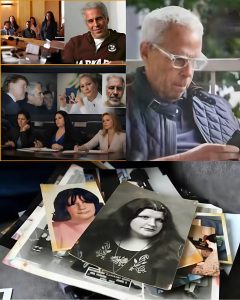
What elevates the significance is the rigorous verification work by The Post and Courier. Reporters cross-referenced the woman’s descriptions against public records, court documents, family history, and local archives. They confirmed approximately 16 specific details, including aspects of her family background and its legal troubles in the 1980s, residential timelines on Hilton Head, and facts tied to another individual she named in her testimony. These corroborated elements establish consistency in the foundational parts of her narrative, even as the most serious allegations involving Epstein and his associates remain without independent corroboration beyond her statements.
FBI agents conducted multiple follow-up interviews, a step that often signals investigators found enough initial substance to warrant deeper examination. The woman spoke of pressure within Epstein’s network, social introductions, and activities at properties on the exclusive resort island. While statutes of limitations have long expired and Epstein died in 2019, the newly validated details make it harder to dismiss her overall account as entirely unreliable.
The episode has intensified scrutiny over the handling of the Epstein files. Critics question why certain memos were delayed and whether other materials may still be misclassified or withheld. In an era of heightened demands for transparency, the partial corroboration underscores how fragments of truth can slowly surface despite institutional delays.
As more layers of the Epstein saga are peeled back, this development adds tangible weight to questions about the full scope of his network and the completeness of official records. Verified personal consistency does not resolve every mystery, but it keeps uncomfortable conversations alive and pressures authorities to ensure no relevant documents remain buried. The pursuit of clarity in such high-stakes cases continues, reminding the public that sunlight remains the strongest disinfectant.
Leave a Reply