In the tense hours before police finally descended on Jeffrey Epstein’s Palm Beach mansion with a search warrant in 2005, three private investigators moved like ghosts through the lavish estate. They quietly packed up three desktop computers, over 100 pieces of potential evidence—including explicit photographs, videos, and a detailed list of young masseuses—and handed everything directly to Epstein’s lawyers. None of it ever reached law enforcement.
Twenty years later, Democrats on the House Oversight Committee, led by Ranking Member Robert Garcia, are now summoning those investigators—Paul Lavery, Stephen Kiraly, and William Riley—to testify under oath and preserve whatever materials they still hold, shining a harsh light on what looks like a calculated effort to shield critical evidence from justice.
What incriminating secrets were deliberately hidden that day, and how far does the protection racket really go? The upcoming testimony threatens to rip open decades of silence.
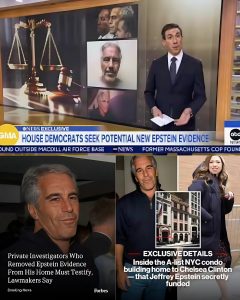
In the tense hours before Palm Beach police descended on Jeffrey Epstein’s mansion at 358 El Brillo Way with a search warrant in October 2005, three private investigators moved like ghosts through the lavish estate. They quietly packed up three desktop computers and over 100 other pieces of potential evidence—including explicit photographs, videos, dozens of bound telephone directories, a detailed list of young masseuses, sex toys, undergarments, a Harvard ID card, and more—then handed everything directly to Epstein’s legal team. None of it ever reached law enforcement. When officers finally searched the property, the computers were conspicuously missing, leaving only loose wires and keyboards behind.
According to an October 2005 memo from private investigator William Riley to Epstein’s defense attorney Roy Black, investigator Paul Lavery visited the residence around October 7—less than two weeks before the raid—at the direction of Epstein’s lawyers. Lavery removed the items described as “of potential evidentiary value” and turned them over to Riley for inventory and safekeeping on Epstein’s behalf. Riley later confirmed in correspondence that he had the materials locked in storage units across Palm Beach County and beyond. A federal grand jury subpoenaed information about the devices, but they were never produced to authorities.
Twenty years later, Democrats on the House Oversight Committee, led by Ranking Member Robert Garcia (D-CA), are summoning those investigators—Paul Lavery, Stephen Kiraly (Riley’s partner at Riley Kiraly), and William Riley—to testify under oath. In letters sent March 26, 2026, Garcia requested voluntary transcribed interviews and immediate preservation of any materials still in their possession. The letters cite recent depositions, including that of Epstein’s personal attorney Darren Indyke, and emphasize the need to understand the contents, removal, storage, location, and potential withholding of the evidence from law enforcement. The investigators have until April 9 to respond. Garcia has described the situation as deeply troubling, noting that critical hard drives may have evaded justice for two decades.
This push forms part of the committee’s broader examination of Epstein’s crimes and the failures that allowed him to continue operating after the controversial 2008 non-prosecution agreement, which resulted in just 13 months in county jail with work release despite allegations involving dozens of underage victims. Democrats have also scheduled a shadow field hearing in Palm Beach on April 14, 2026, to hear from survivors and witnesses.
What incriminating secrets were deliberately hidden that day? The hard drives could have held emails, financial records, communications, flight logs, or digital files exposing Epstein’s network of recruiters, enablers, and high-profile associates. The masseuse lists and telephone directories might have mapped connections to young women and girls lured into his orbit. Explicit photos and videos—some reportedly captured by hidden cameras—could have documented specific abuses never fully prosecuted. Billing records show the investigators’ firm charged for ongoing storage, raising questions about whether originals or copies still exist.
The calculated timing, right before an active police investigation, has long suggested a deliberate effort to sanitize the scene and obstruct justice. Critics argue it exemplifies how Epstein’s wealth and powerful legal team shielded parts of his alleged sex trafficking operation from scrutiny for years.
As Oversight Democrats press forward, testimony from Lavery, Kiraly, and Riley could prove explosive. If the materials remain intact, they might reveal co-conspirators and fill persistent gaps since Epstein’s 2019 arrest and death in federal custody. If destroyed or concealed, it would deepen concerns about systemic protection and unequal justice.
Decades of silence surround the Epstein saga. The upcoming testimony threatens to rip open that silence, exposing not only the devastating secrets hidden in 2005 but also how far the protection racket really extended.
Leave a Reply