Grim Search for Human Remains at Epstein’s Zorro Ranch Revives Survivor Allegations in New Mexico Desert
By Investigations Reporter
Albuquerque, New Mexico, March 31, 2026
Specialist cadaver dogs are scouring the vast, remote Zorro Ranch in New Mexico as state investigators pursue fresh leads from the latest Jeffrey Epstein document releases, including allegations that young women may have been killed and buried on or near the 7,600-acre property.
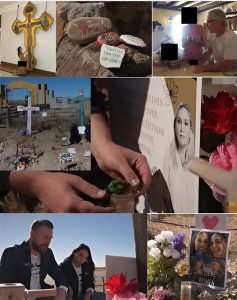
The search, launched on March 9, 2026, marks the first time authorities have systematically examined the former Epstein estate for possible human remains. It follows the public release of a 2019 anonymous email claiming that two “foreign girls” died by strangulation during what the sender described as “rough, fetish sex” and were subsequently buried on Epstein’s orders in the hills outside the ranch. The email, sent to a local radio host, resurfaced in materials unsealed by the U.S. Department of Justice.
A separate public tipster provided photos of what they described as “grave-like plots,” prompting further action. New Mexico’s Department of Justice has confirmed the use of cadaver dogs trained to detect human decomposition, though officials stated that no remains have been found to date. The investigation is part of a broader criminal probe into allegations of sex trafficking and abuse at the ranch, supported by a bipartisan legislative “truth commission” that has allocated funding for a comprehensive review.
Zorro Ranch, located in the high desert south of Santa Fe, was purchased by Epstein in the 1990s and developed into a luxurious but isolated compound. Multiple survivors have testified or alleged that they were trafficked to the property and subjected to sexual abuse by Epstein and Maxwell. The ranch’s seclusion — far from major population centers and difficult to access — has raised concerns that serious crimes could have occurred there with limited external oversight.
The latest developments have drawn renewed attention to how little formal investigation occurred at the property in the years following Epstein’s 2019 arrest and death. Earlier communications between federal and state authorities suggested that New Mexico had deferred aspects of the case, and no comprehensive search of the ranch took place at the time. The current effort reflects mounting pressure from lawmakers, survivors, and the public for fuller accountability.
Forensic challenges abound. The expansive terrain includes rugged hills, open desert, and areas that have been disturbed over decades by weather, animals, or human activity. Cadaver dogs provide an important initial tool, but any alerts would require careful excavation and laboratory analysis. Authorities have also considered ground-penetrating radar and other technologies to aid the search.
The case has highlighted broader questions about Epstein’s operations across his properties in New York, Florida, the U.S. Virgin Islands, and New Mexico. While some victims received financial settlements through Epstein’s estate, many feel that the full truth about the network of abuse and possible violence has never been fully exposed.
As the cadaver dogs work across the sun-scorched landscape, the search has become a symbol of belated justice for those who allege they suffered at Zorro Ranch. How many bodies might still be waiting to be found — or whether the allegations will ultimately prove unsubstantiated — remains unknown. What is clear is that decades-old accusations, once dismissed or ignored, are now driving an active criminal investigation in the New Mexico desert.
State officials have vowed to pursue every lead, but the outcome could take months or longer given the scale of the property and the passage of time. For survivors and the families of those who never returned, the search offers a slim but significant hope that long-buried truths may finally come to light beneath the red soil of Zorro Ranch.
Leave a Reply