Yu Menglong’s Legacy: A Talented Star’s Unresolved Death Fuels Calls for Recognition and Truth
Beijing — Chinese actor and singer Yu Menglong, known internationally as Alan Yu, embodied a rare blend of artistic versatility and quiet compassion. Over a 12-year career that spanned television dramas, modeling, music direction, and brand ambassadorships, he captivated audiences with princely features, nuanced performances, and a reputation for genuine kindness. Yet following his sudden death at age 37 on September 11, 2025, in Beijing’s Chaoyang district, the absence of widespread official tribute or transparent reckoning has left fans and advocates grieving not only a life cut short but also what many perceive as deliberate neglect of his memory.
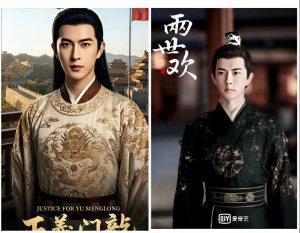
Yu rose from modest beginnings in Ürümqi, Xinjiang, graduating from the Beijing Institute of Performing Arts before breaking into the industry with roles in historical and romance series such as The Love Lasts Two Minds (2020) and The Legend of White Snake. His work earned him a loyal following—millions across Weibo and international platforms—drawn to his multifaceted talent and off-screen philanthropy, including support for underprivileged youth and animal welfare causes. Colleagues described him as humble and empathetic, a “modern knight” whose warmth contrasted with the often cutthroat entertainment world.
Authorities ruled his death accidental: a fall from a high-rise apartment after heavy drinking during a private gathering. Police cited forensic evidence consistent with intoxication and impact trauma, closing the case swiftly without pursuing criminal leads. Yu’s management and family issued statements aligning with this account, with his mother later urging the public to refrain from speculation.
The official narrative, however, has failed to quell widespread doubt. Online discussions—largely suppressed on domestic platforms like Weibo, where searches for Yu’s name yield limited results and thousands of related posts have been deleted—have amplified alternative theories ranging from foul play to cover-ups involving industry figures or higher powers. Overseas outlets and exile media have reported on alleged inconsistencies: conflicting witness accounts, claims of pre-death trauma, and rumors of a party attended by influential attendees. Petitions demanding independent reinvestigation have garnered over 600,000 signatures globally, with organizers calling for transparency, accountability, and support for Yu’s family.
Censorship has intensified the sense of injustice. Reports indicate Beijing authorities classified much discussion as “anxiety-inducing” content, leading to account suspensions, post deletions, and detentions for spreading unverified claims. Industry peers have remained largely silent, with few public tributes from major stars or networks—a contrast to the outpouring seen in other celebrity losses. Critics argue this reflects systemic caution in China’s entertainment sector, where questioning official accounts risks repercussions.
International observers view the case as emblematic of broader tensions: the clash between public grief and state control of narratives. Human rights groups have noted patterns in high-profile deaths—rapid closure, information suppression, and limited independent scrutiny—while fans abroad continue to share memorials and demand answers. Yu’s mentor, Taiwanese manager Sun Derong, publicly called for justice, claiming a dream visitation where Yu expressed being wronged, and pledged to seek accountability.
As 2026 progresses, Yu’s story endures as a symbol of unfulfilled promise. His death was not merely personal tragedy but a reminder of silenced voices in a tightly managed cultural landscape. Whether renewed pressure—domestic or global—will prompt official recognition or reinvestigation remains uncertain. For millions who admired his talent and heart, the wound stays open: a brilliant soul denied full honor, even in memory.
Leave a Reply