Twin Crises in Chinese Entertainment: Yu Menglong’s Death and Zhao Lusi’s Contract Battle Fuel Calls for Reform
By Asia Entertainment Correspondent
Published in a global news outlet, March 2026
The September 11, 2025, death of actor Yu Menglong from a fall in Beijing and actress Zhao Lusi’s explosive August 2025 public break from her management agency have become linked in online discourse as symbols of systemic pressures in China’s entertainment industry. While unrelated factually, the timing and shared themes—exploitation, mental health struggles, opaque contracts—have amplified fan outrage, with hashtags like #JusticeForYuMenglong and calls for industry accountability trending across platforms.
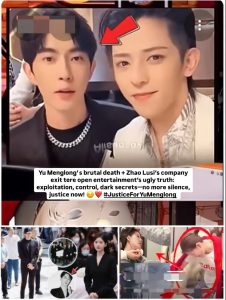
Yu’s death was officially deemed accidental, tied to alcohol consumption after a gathering, per Beijing police and family statements. No foul play was found, and the case closed swiftly. Yet persistent speculation—alleging cover-ups, powerful connections, or pre-fall trauma—has sustained petitions and citizen investigations, portraying his fall as emblematic of an unforgiving system that “buries” artists.
Zhao Lusi’s saga unfolded months earlier but gained renewed attention in this context. In August 2025, the Hidden Love and Love Like the Galaxy star posted on Weibo detailing grievances against Galaxy Cool Entertainment (Yinhekuyu Media/KU). She alleged the agency deducted 2.05 million yuan (~$285,000) from her personal studio account without consent to cover endorsement cancellations during her 2024 hospitalization for depression and related health issues (which halted filming of Almost Lover). She accused them of failing to communicate, retaining undue control over her operations, and threatening blacklisting if she pursued termination. Sharing severe anxiety/depression assessments, she declared “I quit,” vowing not to be silenced.
The post went viral, drawing fan support under #JusticeForZhaoLusi and #FreedomForRosy. The agency denied breaches, emphasizing mutual growth and prioritizing her well-being. Negotiations reportedly stalled amid the 400 million yuan (~$55 million) penalty clause in her renewed contract (extending to ~2030).
Resolution came in October 2025: Alibaba-affiliated Hujing Digital Media acquired the agency, signing Zhao to a five-year deal with mentoring obligations for newcomers and waiving the massive fee—described as a “zero-cost” transfer. She transitioned to independent project selection under the new structure, though some reports note ongoing restructuring challenges for her team.
No evidence connects Zhao’s dispute directly to Yu’s death—different agencies, no shared projects or public statements linking them. Fan narratives, however, frame both as indictments of “brutal exploitation”: draining schedules, mental health neglect, coercive contracts, and power imbalances that push artists toward breakdown or worse. Viral content speculates Zhao’s defiance as a “rebellion” inspired by or parallel to Yu’s tragedy, with some claiming her escape highlights what might have saved him.
Industry observers note real issues: exploitative “slave contracts,” long hours, illness penalties, and limited artist leverage remain prevalent, as seen in past cases. Zhao’s public stand—rare for top stars—sparked discussions on reform, with calls for better protections and transparency.
Six months post-Yu and months after Zhao’s resolution, the stories endure as cautionary tales. While official rulings stand unchallenged, the emotional resonance—fans mourning one loss while celebrating another’s “escape”—underscores demands for change in an industry where glamour often masks profound strain.
Leave a Reply