Calls for Resignation and Survivor Voices: Epstein Investigation Enters New, Contentious Phase
The Epstein scandal has entered a volatile new phase, with survivor testimony in Palm Beach and mounting pressure on Commerce Secretary Howard Lutnick dominating headlines and congressional proceedings. As additional Epstein Files material is released, the combination of emotional firsthand accounts and political fallout has intensified debates about elite protection, institutional failures, and the limits of transparency in holding the powerful accountable.
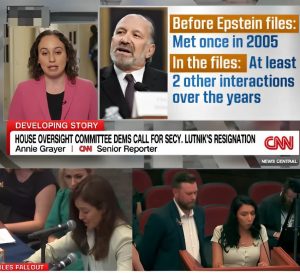
On May 12, 2026, House Oversight Democrats convened a field hearing in West Palm Beach, Florida — the site of Epstein’s earliest documented abuses. Survivors shared harrowing details of grooming, exploitation, and the betrayal they felt when the justice system appeared to prioritize connections over victims. The shadow hearing, while lacking subpoena power, allowed their statements to enter the official congressional record, amplifying calls for stronger victim protections and reforms to prevent similar networks.
At the center of the political storm is Howard Lutnick. Transcripts from his closed-door congressional interview revealed discrepancies between his public statements and documented interactions with Epstein, including a 2012 visit to the financier’s private island years after Lutnick claimed he had cut ties. Democrats on the Oversight Committee have demanded his resignation, accusing him of misleading lawmakers and the public. The White House has defended Lutnick, but the pressure is building across party lines.
The broader context is the phased release of millions of Epstein-related documents under the 2025 Transparency Act. These files provide extensive detail on Epstein and Maxwell’s operation but have not produced a wave of new criminal charges against high-profile associates. Instead, they reinforce patterns of lax oversight, lenient plea deals, and elite social circles that provided cover. Banks, universities, and philanthropic organizations accepted Epstein’s involvement while red flags accumulated.
Survivors have expressed both relief at increased visibility and frustration at the slow pace of justice. Many describe ongoing trauma from public document dumps that sometimes fail to protect their identities adequately. Advocates argue that while disclosure is important, it must be paired with tangible accountability and support services.
The scandal’s endurance highlights deeper issues in how powerful networks operate and how institutions respond. Epstein’s 2008 plea deal, criticized as overly generous, set a precedent that allowed him to continue activities for years. His 2019 death in federal custody, officially ruled a suicide amid documented jail failures, added layers of skepticism that persist today.
As congressional committees review transcripts and additional files, the focus remains on whether the latest revelations will translate into policy changes or further resignations. Lutnick’s situation is particularly sensitive given his role in the Trump administration and past business prominence. Democrats see his case as emblematic of the need for stricter ethics standards, while some Republicans emphasize due process.
The Epstein Files have become a test of public trust in government transparency and justice. They expose not supernatural evil but very human failings — greed, negligence, and the instinct to protect the influential. Survivors’ voices in Palm Beach and the political pressure on figures like Lutnick ensure the story remains front and center.
Whether this moment leads to meaningful reform or follows the pattern of previous waves of attention fading without systemic change will define the legacy of the Epstein investigation. For now, the combination of raw testimony and high-profile scrutiny keeps the powerful on notice and the public demanding answers.
Leave a Reply