In the early hours of August 10, 2019, Jeffrey Epstein was found lifeless in his cell — officially a suicide. Yet years later, the questions are louder than ever: broken neck bones inconsistent with hanging, missing surveillance footage, sleeping guards, and a body that didn’t fully match the man the world knew.
Was it a desperate act by a broken predator… or a brilliantly executed master exit plan, allowing one of history’s most connected criminals to disappear and protect the elite circle he served?
Victims still wait for justice, while powerful names tied to his island continue living untouched. Fresh leaks, conflicting medical reports, and eyewitness contradictions keep the fire burning.
The official story crumbles more each day. Did Epstein really die that night — or did he pull off the ultimate escape?

Did Jeffrey Epstein Really Die in His Cell? The Enduring Mystery of August 10, 2019


In the early hours of August 10, 2019, Jeffrey Epstein was found unresponsive in his cell at the Metropolitan Correctional Center (MCC) in New York City. The 66-year-old financier and convicted sex offender — awaiting trial on federal sex trafficking charges — was pronounced dead at a nearby hospital. The New York City Chief Medical Examiner ruled his death a suicide by hanging. The U.S. Department of Justice and subsequent investigations, including a 2023 Inspector General report, have consistently upheld this conclusion.
Yet, nearly seven years later, skepticism remains widespread. Questions about broken neck bones, malfunctioning cameras, sleeping guards, and Epstein’s powerful connections continue to fuel conspiracy theories that he was murdered — or even faked his death — to protect an elite network.
The Official Account: Suicide Amid Systemic Failures
Epstein was discovered around 6:30 a.m. with a bedsheet around his neck, tied to the top bunk. Guards performed CPR, but he was already in cardiac arrest.
Key factors cited in official reports:
- Guard negligence: The two officers on duty, Tova Noel and Michael Thomas, failed to conduct required 30-minute checks. They were later charged with falsifying records and admitted to sleeping and browsing the internet. A deferred prosecution deal followed.
- Camera issues: Two cameras outside Epstein’s cell malfunctioned that night; footage from another was unusable. Recent releases of surveillance video from the unit have shown no one entering his tier after he was locked in, supporting the suicide ruling.
- Prior incident: Epstein had been found injured in his cell weeks earlier (July 23), possibly a prior suicide attempt, and was briefly on suicide watch before being removed.
The DOJ Inspector General’s report attributed the death to “misconduct and errors” at the troubled MCC facility, not criminal conspiracy.
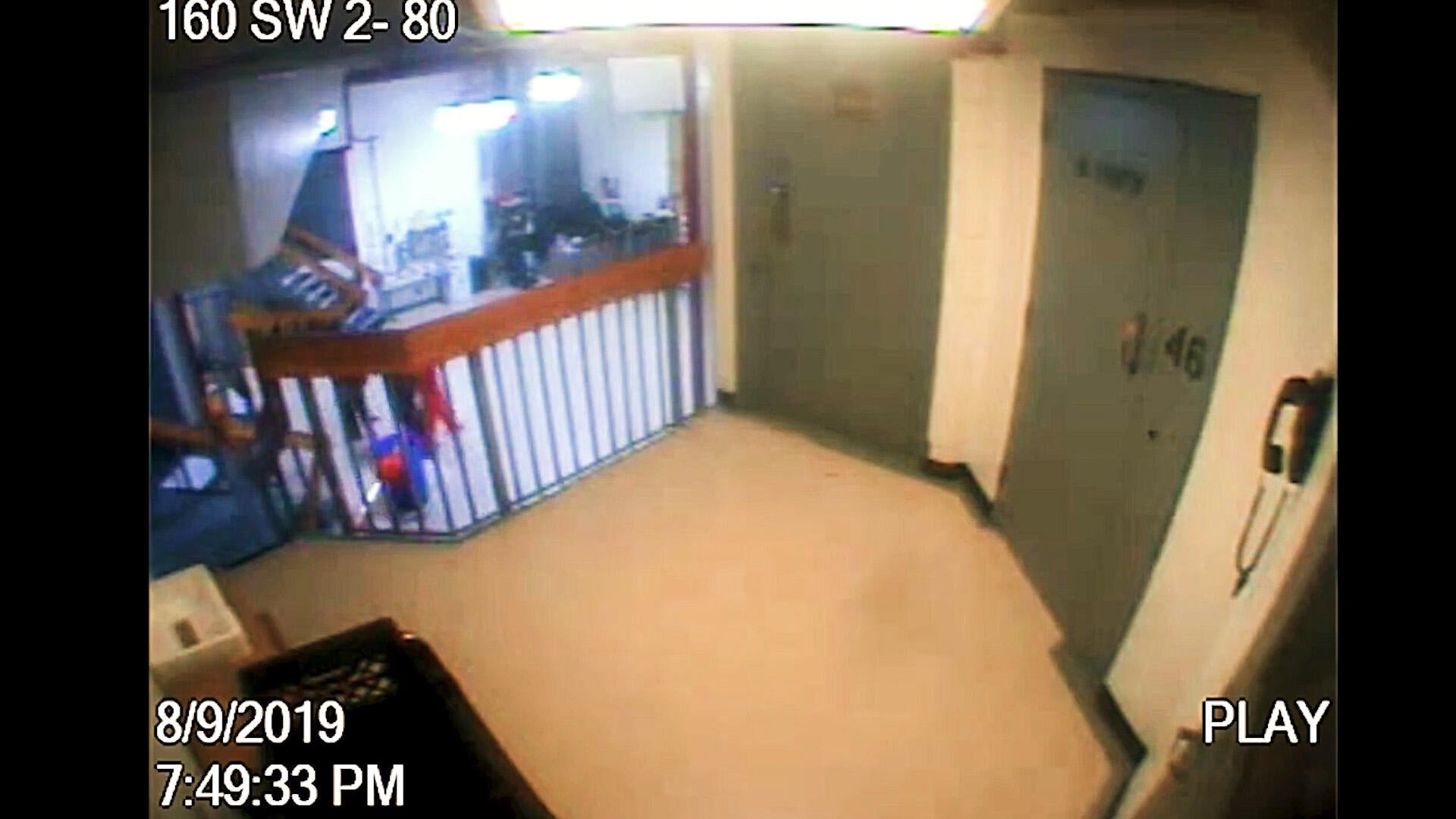
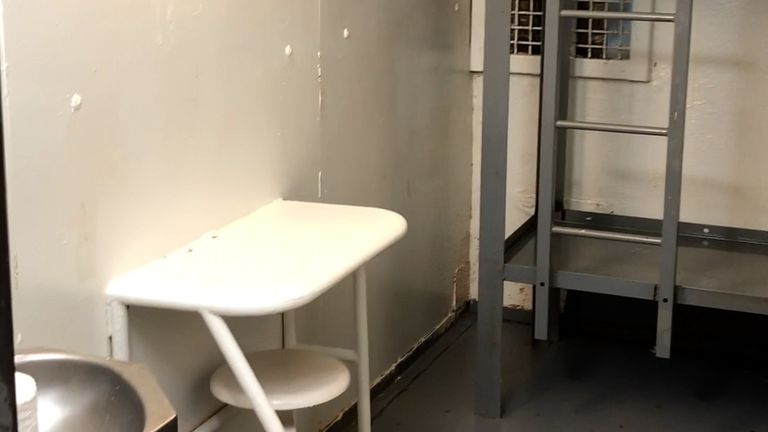
Surveillance-style footage and a view inside a similar MCC cell highlight the conditions of Epstein’s final hours.
The Controversies: Evidence Fueling Doubt
Several details have kept conspiracy theories alive:
- Neck injuries: Epstein’s autopsy revealed multiple broken bones in his neck, including the hyoid bone. While possible in suicidal hangings (especially in older individuals), forensic pathologist Dr. Michael Baden — hired by Epstein’s brother — argued the fractures were “more consistent with homicidal strangulation.” The official medical examiner stood by the suicide ruling.

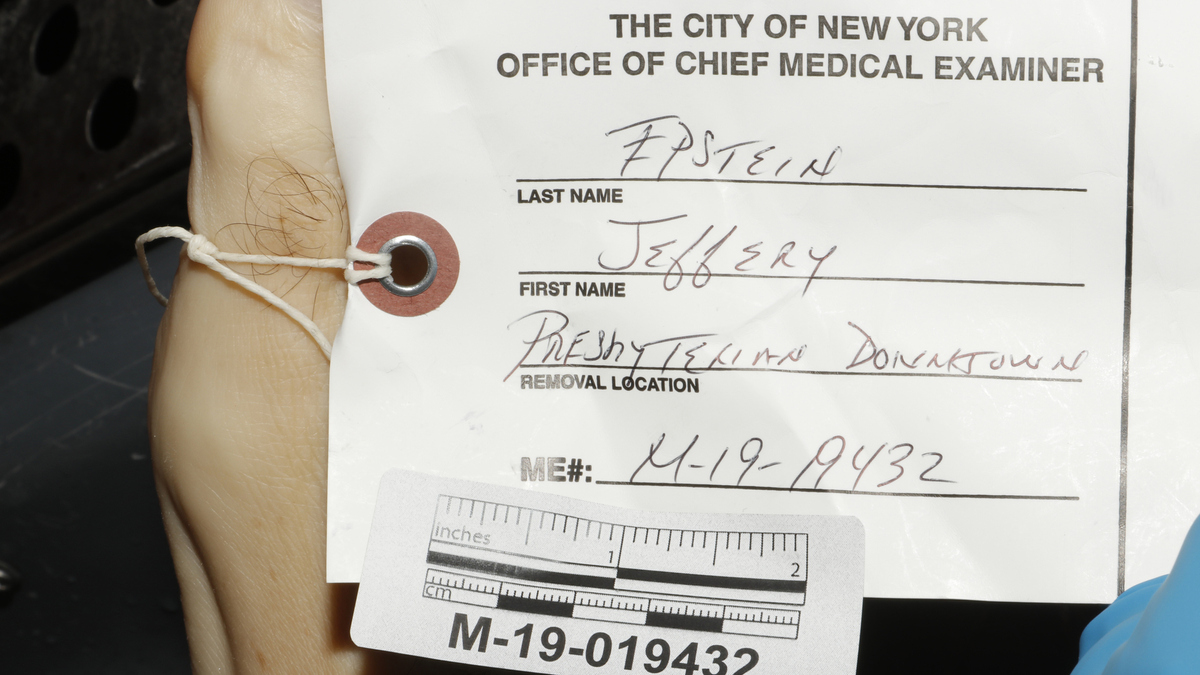
Autopsy notes and documentation from the New York City Chief Medical Examiner’s Office.
- “Missing” footage and inconsistencies: Early reports of erased or unusable video, combined with initial claims of a “missing minute” in released surveillance (later addressed with additional footage), added to suspicions. Recent DOJ/FBI releases of extended video have aimed to debunk claims of external interference.
- Powerful connections: Epstein’s associations with figures like Bill Clinton, Donald Trump, Prince Andrew, Bill Gates, and others — many linked to his private island, Little St. James — led to theories that he was silenced to prevent testimony. No “client list” bombshells have emerged from unsealed files to confirm widespread blackmail, but the elite ties remain a focal point.


Aerial views of Little St. James, Epstein’s private Caribbean island often called the epicenter of his alleged activities.
Victims, Justice, and Lingering Questions
Epstein’s death halted his trial and left many victims without full accountability. Ghislaine Maxwell, his longtime associate, was convicted in 2021 on sex trafficking charges and is serving a 20-year sentence. Civil suits and document releases continue to name associates, but no major new prosecutions of high-profile clients have materialized.
Polls have shown that a significant portion of Americans doubt the suicide narrative. While official investigations find no evidence of homicide or a grand cover-up, the combination of jail failures, autopsy debates, and Epstein’s web of influence ensures the case remains one of modern history’s most polarizing mysteries.
Whether a tragic failure of the prison system or something more sinister, Epstein’s death symbolizes deeper issues: how power, money, and institutional negligence can obscure truth and delay justice for victims.
Leave a Reply