In the packed West Palm Beach hearing room, Lauren Hersh’s eyes blazed with betrayal as she slammed the table: “The DOJ didn’t just fail us—they weaponized our pain, leaking our names and trauma while shielding the powerful men who abused us.”
Epstein survivors erupted in outrage at the shadow hearing, exposing how law enforcement struck secret sweetheart deals that let predators walk free and how the Department of Justice allegedly botched massive file releases—exposing victims’ identities, intimate details, and even nude images, while redacting names of potential co-conspirators.
Heartbreaking testimony revealed years of shattered trust: young girls trafficked, justice denied in backroom deals, and now fresh wounds from government leaks that retraumatized survivors instead of delivering accountability.
Who is still being protected at the highest levels—and how much deeper does this cover-up go?

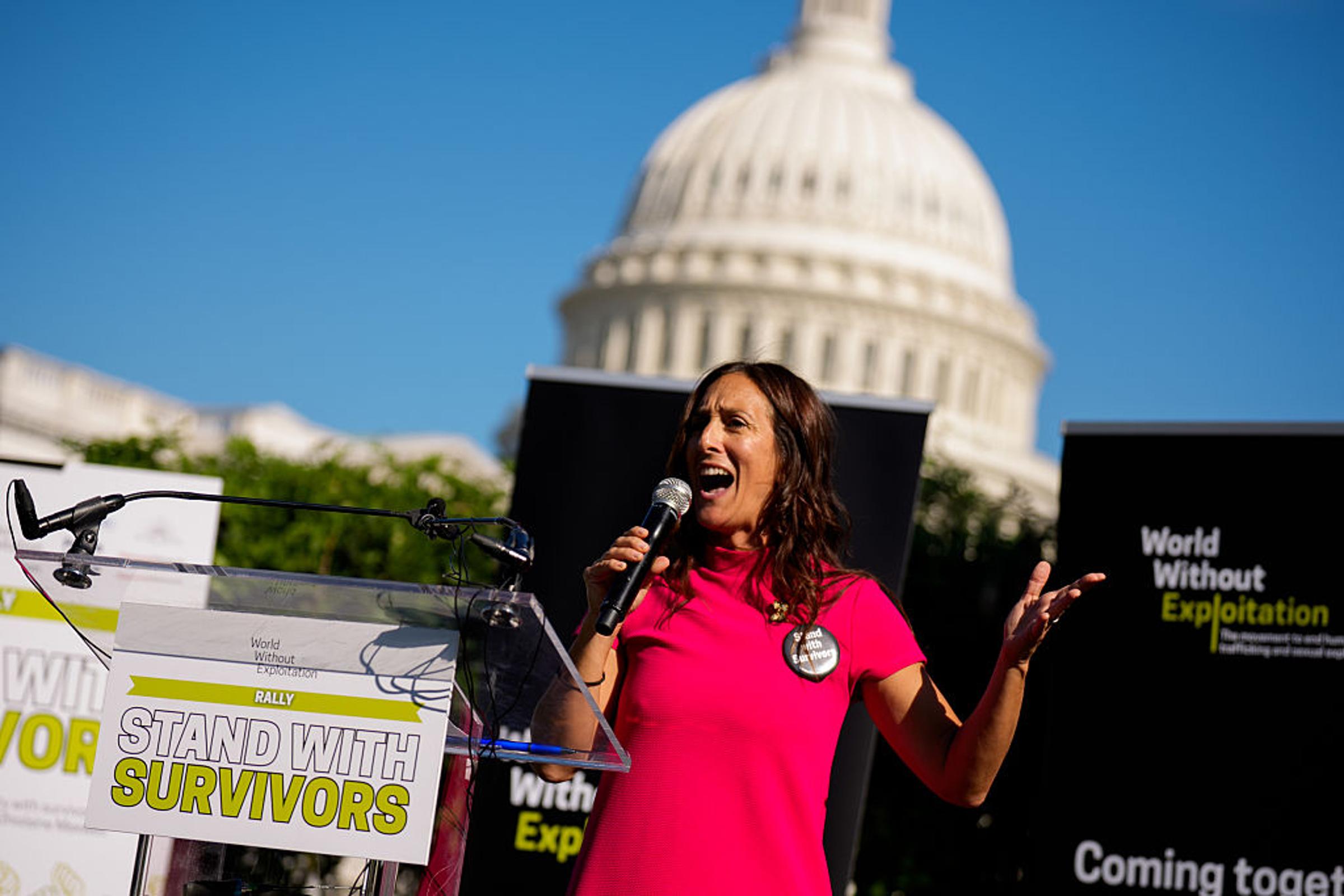
In a packed hearing room at West Palm Beach City Hall on May 12, 2026, Lauren Hersh, Co-Founder and CEO of World Without Exploitation, slammed the table in raw anger: “The DOJ didn’t just fail us—they weaponized our pain, leaking our names and trauma while shielding the powerful men who abused us.”
At this Democratic “shadow hearing” organized by House Oversight Committee members, Epstein survivors delivered emotional, unfiltered testimony just miles from Jeffrey Epstein’s former Palm Beach estate. They exposed what they described as systemic failures: secret sweetheart deals that protected predators, buried evidence, and a recent Department of Justice file release that allegedly retraumatized victims by exposing their identities, intimate details, and even nude images.


Testimony highlighted profound institutional betrayal. Survivors including Dani Hannah Bensky (introduced to Epstein at 17), Roza, Jena-Lisa Jones, Courtney Wild, and others shared harrowing accounts of grooming, trafficking, and shattered lives. Many accused authorities of prioritizing elite connections over justice—cutting non-prosecution agreements without notifying victims and failing to pursue powerful co-conspirators.
Hersh, a former prosecutor, directly criticized the DOJ’s handling of massive Epstein file releases earlier in 2026. Documents reportedly included unredacted victim names, personal information, and explicit images—wounds she insisted could not be dismissed as mere “human error.” “Something has gone horribly wrong at the DOJ,” she stated, calling for accountability, recorded depositions (including from former officials), victim compensation, and stronger protections under the Crime Victims’ Rights Act.
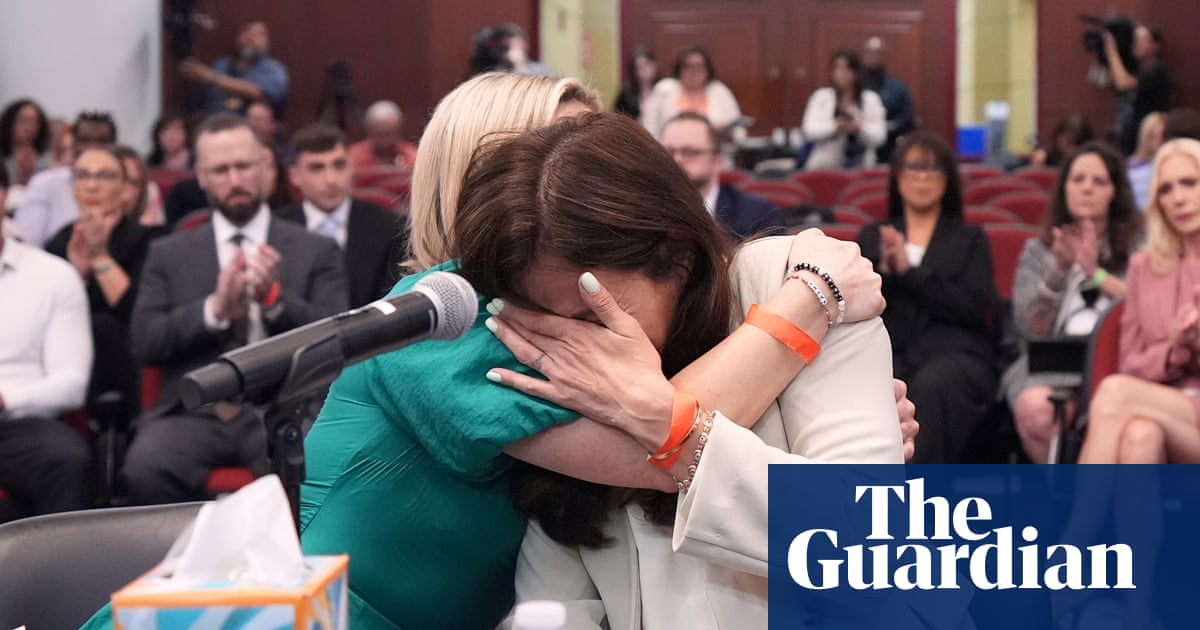
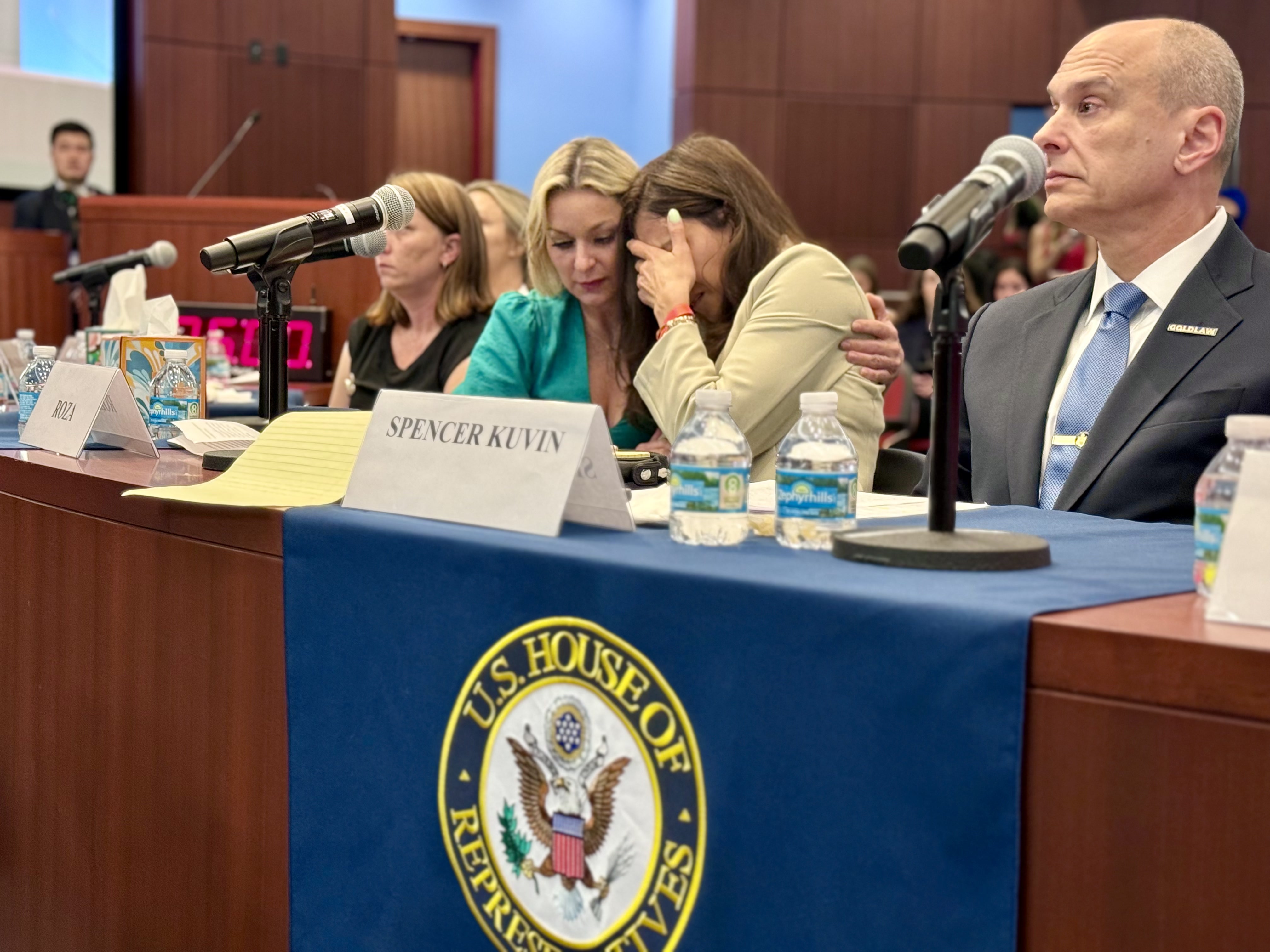
The hearing underscored lingering questions of protection and transparency. Survivors and advocates demanded full release of remaining sealed records, investigations into past sweetheart deals (including the controversial 2008 non-prosecution agreement), and answers about why so many powerful figures appear shielded. With millions of pages still partially withheld and fresh allegations of leaks, many ask: Who continues to be protected at the highest levels, and how deep does this cover-up truly run?
The emotional gathering in West Palm Beach—described as a return to the “scene of the crime”—served as a stark reminder of unresolved pain and the ongoing fight for justice. Survivors’ courage has placed renewed pressure on institutions to deliver transparency and reform, ensuring no more secret deals and no more silence for the victims.
As calls intensify for broader accountability and no further protections for enablers, the message from the hearing room was unmistakable: The powerful must no longer be placed above the vulnerable.

This article draws from public reports and testimony from the May 12, 2026, shadow hearing. Full accountability for all victims remains a critical priority.
Leave a Reply