Shadows of Power: Biographer’s Claim Links Epstein and Maxwell to Former British Leader in Explicit Encounter
New York / London — The Jeffrey Epstein saga has taken a sensational political turn after royal biographer Andrew Lownie publicly alleged that the late financier engaged in a threesome with convicted accomplice Ghislaine Maxwell and an unnamed former British Prime Minister. The disclosure has intensified global fascination with the scandal’s reach into the highest echelons of government and aristocracy.
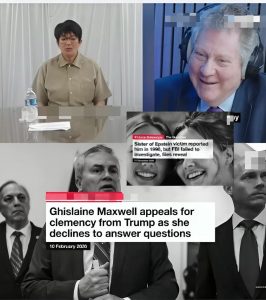
Speaking in a candid interview, Lownie — a respected historian specializing in royal affairs and author of works on Prince Andrew — described hearing “lots of talk about threesomes,” explicitly including one involving Maxwell and a British PM. He confirmed the figure was a former, not current, officeholder. The remarks, made to Daily Mail columnist Sarah Vine, have been widely circulated on social media and independent outlets, prompting renewed calls for transparency.
This development builds on a long trail of Epstein-Maxwell connections to British elites. Maxwell introduced Epstein to Prince Andrew in the 1990s, leading to a friendship that later imploded under legal and public pressure. Flight logs, photos, and court documents have illustrated the pair’s access to influential circles, including politicians, academics, and business leaders. While many documented interactions appear non-criminal, the criminal convictions of both Epstein (prior to his death) and Maxwell underscore the predatory nature of their network.
Lownie stopped short of identification, and no public evidence has yet corroborated the specific threesome allegation. However, the claim resonates amid broader Epstein file releases that continue to name-drop prominent figures. Separate accounts, including Giuffre’s memoir, have referenced encounters with a “well-known Prime Minister,” though distinctions between “former minister” and other titles complicate direct links. British politics has seen figures from various parties mentioned in passing in Epstein correspondence, but rarely with proven misconduct.
The allegation underscores systemic vulnerabilities. Epstein’s operation thrived on discretion, luxury, and the allure of access. Maxwell’s social pedigree opened doors that financial clout alone might not. Questions persist about intelligence ties, kompromat potential, and whether powerful clients received protection from exposure. In Britain, the intersection of monarchy, government, and private wealth creates a particularly fertile ground for such speculation.
Reactions have been mixed. Some view Lownie’s statements as courageous truth-telling in a landscape of omertà among the elite. Others caution against trial by rumor, noting the damage unproven claims can inflict on reputations. The biographer himself has reportedly received threats, highlighting the risks of probing sensitive territory.
As U.S. authorities release additional documents and lawmakers push for fuller disclosure, parallel interest grows in transatlantic dimensions. British media and opposition voices occasionally demand inquiries, yet official responses remain measured. The scandal’s longevity reflects deep public skepticism toward assurances that “lessons have been learned.”
For the Epstein case, every new revelation — verified or anecdotal — sustains momentum. It forces society to confront how depravity operated under the cover of sophistication and power. Whether the alleged threesome involved a recognizable name from recent British history or remains veiled forever, the story amplifies demands for justice beyond the two central convicted figures.
The world continues watching as layers peel back. From royal residences to Downing Street, the Epstein-Maxwell shadow lingers, raising the perennial question: how many more secrets from this era of elite excess are yet to emerge into the light?
Leave a Reply