From Brooklyn Dropout to Billionaire Predator: How Jeffrey Epstein Built a Protected Empire of Influence and Exploitation
NEW YORK – 10 March 2026
Jeffrey Epstein’s journey from a high school dropout in Brooklyn to one of the most notorious sexual predators of the modern era remains one of the most disturbing case studies in how wealth, connections, and secrecy can create near-total impunity.
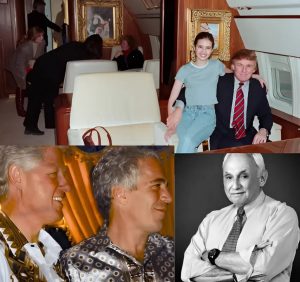
Born in 1953 in Coney Island, Epstein showed early academic promise but dropped out of Lafayette High School and later left New York University without a degree. Despite lacking formal credentials, he entered the world of finance in the 1970s, teaching mathematics and physics at the Dalton School before being hired by Bear Stearns. By the 1980s, he had established his own financial consulting firm, J. Epstein & Co., catering to ultra-wealthy clients. His rapid rise was fueled by a combination of charm, intelligence, and strategic relationships with powerful figures.
What set Epstein apart was not just his financial success but his ability to cultivate an aura of mystery and exclusivity. He cultivated friendships with billionaires, politicians, scientists, and celebrities, many of whom later appeared in his flight logs or address books. His private jet, dubbed the “Lolita Express,” became a symbol of his access to the global elite. Properties in New York, Palm Beach, New Mexico, Paris, and his private island, Little St. James, served as venues for both legitimate networking and, according to court documents and survivor testimony, the systematic trafficking and abuse of underage girls.
Court records from Ghislaine Maxwell’s 2021 trial and subsequent Epstein file releases reveal a carefully constructed operation. Maxwell, Epstein’s longtime associate and convicted co-conspirator, played a central role in recruiting and grooming victims. The network allegedly relied on silence bought through money, influence, and intimidation. Epstein’s wealth — estimated at over $600 million at his death — was built through opaque financial arrangements, tax strategies, and relationships with clients like Les Wexner, who granted him power of attorney over significant assets.
Epstein’s 2008 plea deal in Florida, where he received a controversial sweetheart sentence for sex crimes involving minors, highlighted the protection he enjoyed. High-powered lawyers, including Alan Dershowitz and others with political connections, helped secure the deal. Federal investigators later criticized the agreement as overly lenient.
His 2019 arrest on federal sex-trafficking charges came after years of renewed scrutiny, largely driven by investigative journalism and survivor advocacy. Epstein died in jail that August, officially ruled a suicide, though the circumstances — sleeping guards, malfunctioning cameras, and broken protocols — continue to fuel conspiracy theories.
The Epstein Files Transparency Act has led to phased releases of millions of pages, exposing names, flight logs, and communications. While many high-profile figures have denied wrongdoing, the documents paint a picture of a man who traded access, secrets, and silence at the highest levels.
Survivors’ advocates say the story is not just about one man but about a system that protected him. “Epstein didn’t operate in a vacuum,” said attorney Lisa Bloom. “He had enablers, protectors, and beneficiaries. The files show how far that web reached.”
As more documents emerge, the central question remains: how did a man with no college degree build such a vast, protected empire? The answer, according to the files, lies in a toxic mix of charisma, financial cunning, and connections that turned elite circles into both playground and shield.
Leave a Reply