In a sleek Manhattan office, Darren Indyke signed document after document controlling every dollar of Jeffrey Epstein’s $577 million empire—while prosecutors granted him total immunity and never filed a single charge against him.
As co-executor of the estate, Epstein’s longtime personal lawyer held the keys to vast accounts, companies, and cash flows that allegedly kept the trafficking machine running for years. He received millions in fees over time and stood to inherit $50 million under the will signed just days before Epstein’s death in jail. Yet Indyke insists he knew “nothing whatsoever” about the abuse of dozens of young girls.
Victims’ lawyers accused him of building the financial web that hid the crimes and silenced survivors—yet he walks free, still practicing law, still managing what remains of the fortune.
Why did prosecutors hand this man complete immunity while so many lives were destroyed?
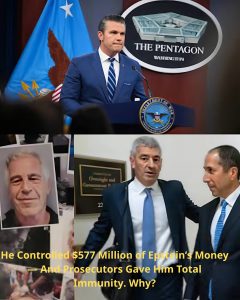
Inside a sleek Manhattan office, Darren Indyke built a career on managing the financial complexity of one of the most secretive fortunes in modern history. As the longtime attorney for Jeffrey Epstein, Indyke signed off on documents that governed trusts, companies, and vast streams of money—structures that later became the subject of intense legal and public scrutiny.
After Epstein’s death in 2019, Indyke’s position only grew more significant. Named co-executor of an estate reportedly worth $577 million, he held authority over how assets would be preserved, distributed, and defended against a growing wave of civil claims. Court filings and financial records indicate that he had already earned millions in legal fees over the years, and Epstein’s final will included a reported $50 million bequest connected to him and another executor.
At the center of controversy is Indyke’s consistent assertion: that he had no knowledge of Epstein’s abuse. He has maintained that his responsibilities were strictly legal and financial, separate from Epstein’s personal conduct. However, this claim has been challenged by attorneys representing victims, who argue that the financial systems surrounding Epstein were essential to sustaining his operations. In their view, those who designed and managed those systems cannot be entirely removed from the broader context in which harm occurred.
One of the most debated aspects of Indyke’s case is the legal protection he received. In certain agreements tied to earlier investigations, he was granted forms of immunity that have shielded him from criminal prosecution. Such arrangements are not unusual in complex cases; prosecutors sometimes rely on insiders to provide information or cooperation in exchange for limited protection. Still, the outcome has fueled public frustration, especially among those who see a stark imbalance between accountability and consequence.
Despite years of investigations and civil litigation, Indyke has not faced criminal charges and continues to practice law. This reality highlights a recurring challenge within the justice system: distinguishing between ethical responsibility and provable criminal liability. Financial and legal professionals often operate within narrowly defined roles, and unless direct knowledge or intent can be established, accountability can remain elusive.
For survivors, the issue is deeply personal. Many continue to pursue civil cases and demand answers about how such an extensive system functioned for so long. Indyke’s story, in that sense, is not just about one lawyer—it reflects a broader question about how power, money, and professional distance can intersect in ways that complicate justice.
The question lingers: when the architects of a system remain legally untouched, what does accountability truly look like?
Leave a Reply