From Insider Doubts to Public Reckoning: John Kiriakou Questions Epstein’s Intelligence Links and Death
Former CIA officer John Kiriakou has thrust the Jeffrey Epstein scandal back into the global spotlight by openly challenging two of its most persistent mysteries: whether the financier served as a protected intelligence asset and if his 2019 jailhouse death was genuinely a suicide. In recent high-profile interviews, Kiriakou has described Epstein as fitting the classic profile of an “access agent” — someone who uses wealth and social connections to gather compromising information on influential targets. His comments have left many stunned, amplifying long-standing suspicions while underscoring the limits of official transparency.
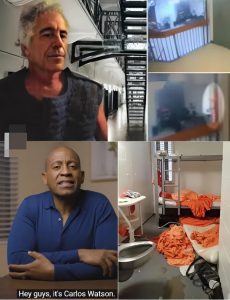
Kiriakou, known for blowing the whistle on CIA torture practices, has pointed specifically to possible Israeli intelligence ties, suggesting Epstein’s operation aligned with Mossad-style tactics of collecting kompromat. In a widely circulated appearance, he noted that Epstein’s private island, hidden cameras, and access to powerful figures made him a valuable asset for agencies seeking leverage. While acknowledging the sensitivity of such accusations, Kiriakou emphasized that intelligence communities rarely confirm or deny such relationships publicly.
On Epstein’s death in a Manhattan federal jail cell, officially ruled a suicide by hanging, Kiriakou has voiced significant skepticism. He has highlighted the extraordinary lapses — guards asleep on duty, malfunctioning surveillance cameras, and Epstein’s removal from suicide watch despite prior concerns — as highly irregular for a prisoner of his profile. Though he stops short of labeling it murder, his insider perspective has fueled renewed calls for an independent probe into the circumstances.
The remarks come as the Department of Justice continues phased releases of millions of pages from the Epstein Files under the 2025 Transparency Act. These documents detail recruitment methods, abuse at multiple properties, and extensive elite connections but have not triggered a wave of new prosecutions beyond Ghislaine Maxwell’s conviction. Many high-profile names appear in social and travel contexts, yet direct criminal evidence against most remains limited in the public record.
Kiriakou’s intervention has resonated because of his credibility as a former insider willing to criticize the system he once served. Critics, however, caution against overinterpreting his statements as proven fact, noting the challenges of verifying intelligence operations. Supporters see his comments as a rare willingness to confront uncomfortable possibilities about how power operates.
The scandal’s persistence highlights deep public distrust in institutions. Epstein’s 2008 plea deal, widely viewed as overly lenient, allowed him to continue activities for years. His death amid documented jail failures added layers of suspicion that have never fully dissipated. Survivor advocates welcome greater scrutiny but stress the need for focus on verified facts and tangible support rather than endless speculation.
As more files emerge and figures like Kiriakou keep raising questions, the pressure for answers intensifies. The Epstein case exposes not only individual crimes but systemic vulnerabilities that allowed a predator to thrive among the elite. Whether Kiriakou’s doubts lead to concrete investigations or simply add to the mountain of unresolved theories remains uncertain.
The darkest aspects of the Epstein story — potential intelligence protection, elite complicity, and questions around his death — continue to haunt public discourse. Kiriakou’s willingness to confront them head-on ensures the conversation does not fade. For survivors and the broader public, the hope remains that sustained scrutiny will eventually yield greater accountability and prevent similar networks from operating with impunity in the future.
Leave a Reply