In the electric hush of the West Palm Beach shadow hearing, Lauren Hersh’s words cut like a blade: “Accountability is optional for the powerful.”
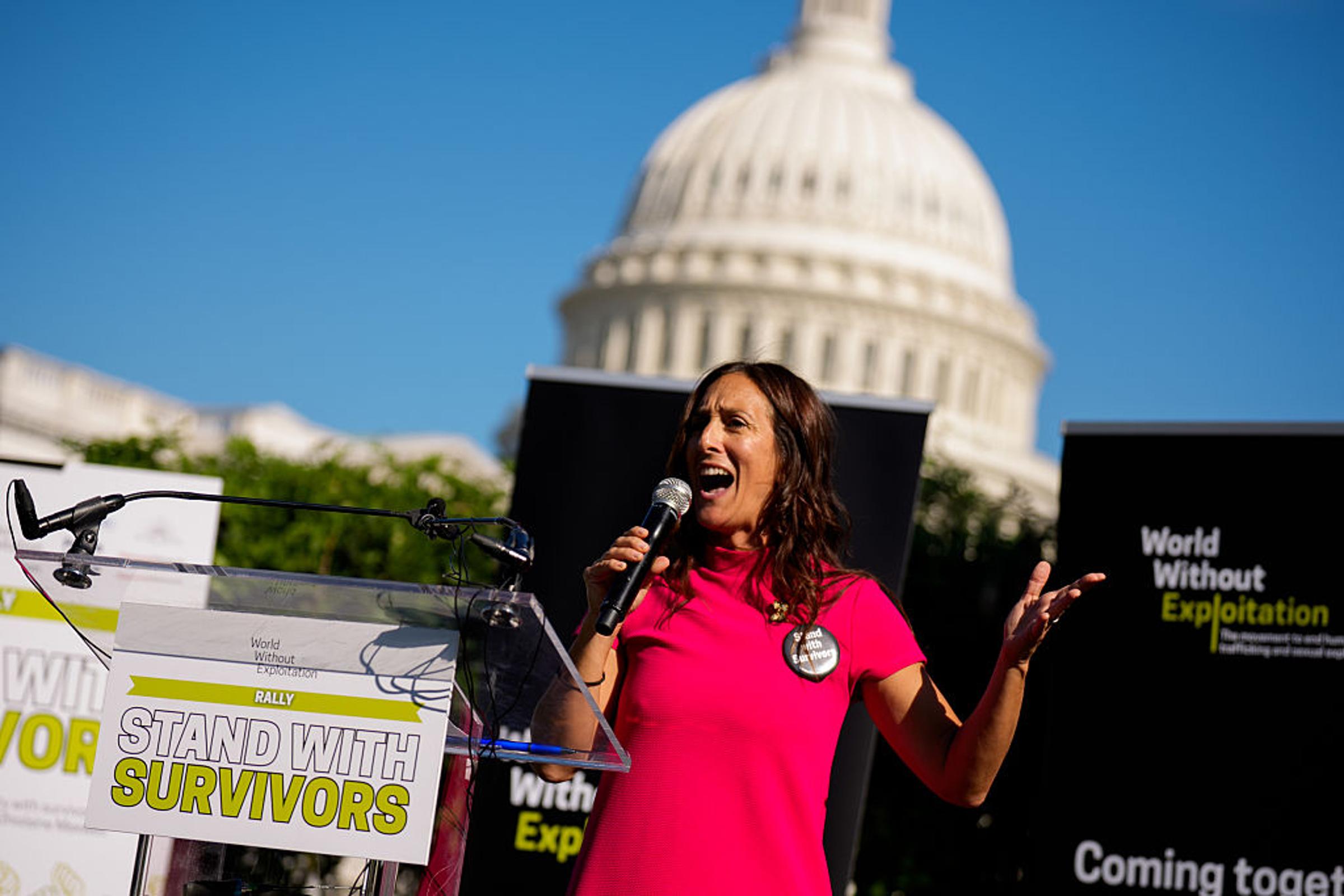
As WorldWE Director, Hersh delivered a powerful statement that sent chills through the room, exposing how government agencies repeatedly chose protection for Epstein’s elite network over justice for the survivors. From secret sweetheart deals that let abusers walk free to the DOJ’s shocking release of victims’ names, trauma details, and even private images—while shielding perpetrators—Hersh declared this wasn’t incompetence. It was a clear pattern.
Survivors sat beside her, voices trembling with decades of pain, demanding the system finally stop treating the rich and connected as untouchable. Lives were destroyed, trust obliterated, and the betrayal continues.
If accountability is truly optional for the powerful, what does that say about justice in America—and who will be next?
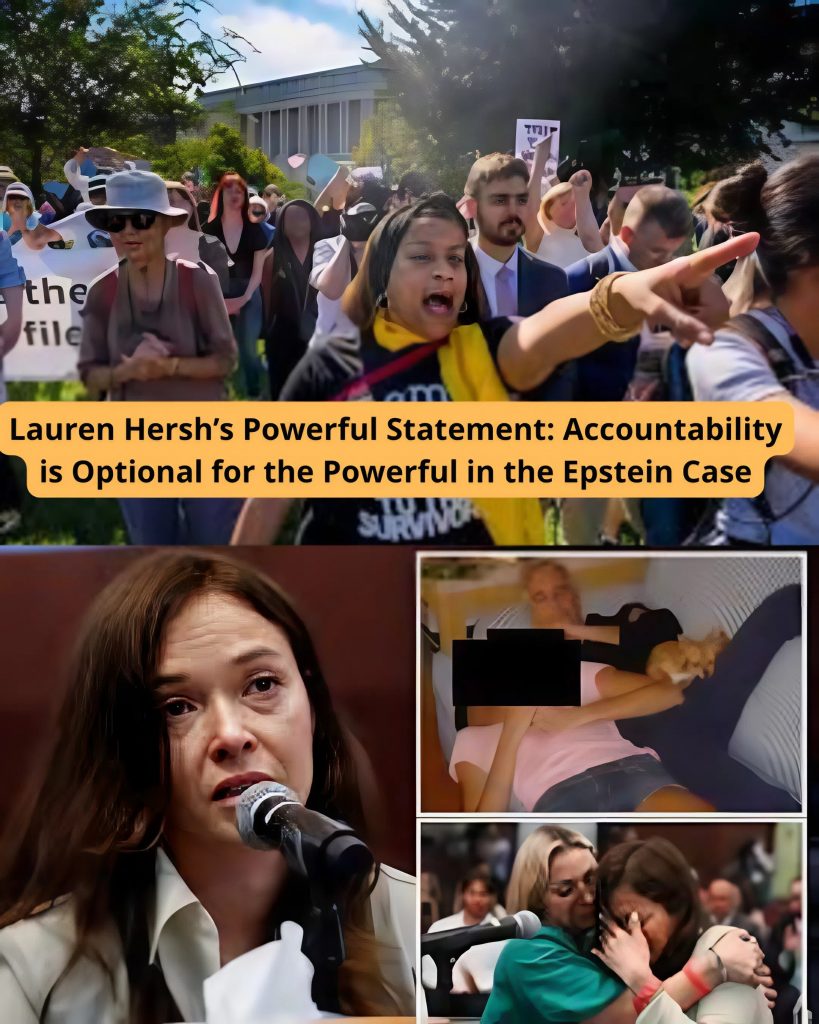
In the charged atmosphere of the West Palm Beach shadow hearing on May 12, 2026, Lauren Hersh, Director of World Without Exploitation, delivered a piercing statement that echoed through the room: “Accountability is optional for the powerful.”
Hersh, a former prosecutor and tireless advocate for trafficking survivors, laid bare what she described as a deliberate pattern of institutional protection for Jeffrey Epstein’s elite network. From the infamous 2008 sweetheart deal that allowed Epstein to serve minimal time, to the Department of Justice’s recent file releases that allegedly exposed victims’ names, trauma details, and private images while shielding high-profile names, Hersh argued this was not mere incompetence — it was a systemic choice.

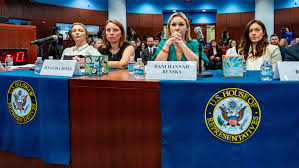
Survivors shared decades of pain and renewed betrayal. Sitting alongside Hersh were women whose lives were forever altered by Epstein’s trafficking operation. Testimonies from survivors including Dani Hannah Bensky, Jena-Lisa Jones, Courtney Wild, and others revealed grooming as teenagers, shattered trust, and repeated failures by law enforcement to deliver justice. Many pointed to secret non-prosecution agreements made without victim notification and ongoing delays in full document transparency.
Hersh emphasized that the DOJ’s handling of massive file dumps retraumatized survivors by leaking sensitive personal information while continuing to redact names of potential co-conspirators. “This wasn’t an accident,” she stated, calling for recorded depositions of key officials, compensation for victims’ rights violations, and urgent reforms to prevent future elite protections.
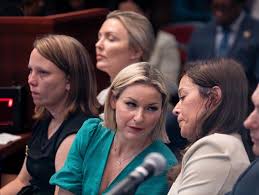
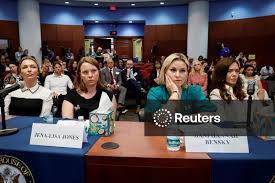
The hearing raised urgent questions about justice in America. With powerful figures still seemingly untouchable and millions of pages of records partially withheld, survivors demanded to know: Who continues to be shielded at the highest levels? How much deeper does the protection network extend?
The emotional return to West Palm Beach — site of Epstein’s original crimes — served as a powerful rebuke to any notion that time or influence can erase accountability. Advocates and survivors left the hearing united in their message: The system must stop treating the rich and connected as above the law. Lives were destroyed, and the betrayal must end.
As pressure builds for complete transparency, broader investigations, and meaningful reform, the voices in that West Palm Beach hearing room made one thing crystal clear — true justice cannot remain optional.

This article is based on public testimony and reports from the May 12, 2026 Democratic shadow hearing. The pursuit of full justice and transparency for all Epstein survivors continues.
Leave a Reply