Explosive Accusation: Rep. Frankel Ignites Epstein Hearing with Claim Survivors Were “Treated Like Prostitutes”
In the lead-up to a high-stakes congressional field hearing in West Palm Beach on Tuesday, May 12, 2026, U.S. Rep. Lois Frankel delivered a blistering rebuke of local authorities’ handling of the Jeffrey Epstein case, accusing them of demeaning survivors by treating them “like prostitutes instead of victims of a heinous activity.” The Democratic lawmaker’s remarks, delivered just hours before survivors were set to testify, have intensified expectations for what promises to be one of the most emotionally charged moments in the long-running Epstein saga.
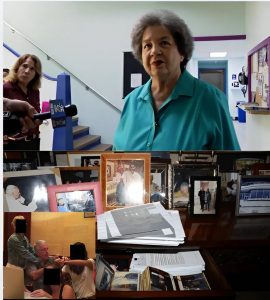
The “shadow” hearing, organized by Democrats on the House Oversight Committee and lacking subpoena power, returns the investigation to its geographic origin in Palm Beach County. It was here, in the early 2000s, that Epstein allegedly began exploiting vulnerable teenagers, often lured with promises of modeling work or money. Local police built a strong case in 2005-2006, yet federal intervention produced the notorious 2008 “sweetheart deal” that allowed Epstein minimal jail time and broad immunity for potential co-conspirators.
Frankel, who represents Florida’s 22nd District, did not hold back. “They demeaned survivors,” she stated, framing the hearing as an opportunity to confront a “grave miscarriage of justice.” Her words echo long-standing grievances from victims and their attorneys, who argue that authorities dismissed young women’s accounts, pressured them, and prioritized protection for the powerful over accountability. The 2008 plea agreement, negotiated under then-U.S. Attorney Alexander Acosta, has become a symbol of elite impunity.
Ranking Member Rep. Robert Garcia, leading the Democratic effort, described the session as essential for examining how Epstein continued abusing victims for years after initial investigations. Survivors and expert witnesses are expected to provide firsthand accounts, entering their testimonies into the congressional record. A press conference following the closed portions will amplify calls for full document release and renewed probes.
The timing and venue carry heavy symbolism. Palm Beach was the epicenter of Epstein’s early crimes, with many abuses occurring in waterfront mansions steps from where lawmakers gathered. Ghislaine Maxwell’s conviction offered partial justice, but many victims feel the broader network — including high-profile associates — remains shielded. Leaked files, flight logs, and ongoing lawsuits continue to fuel speculation and demands for transparency.
Attorney Jack Scarola, a longtime advocate for Epstein victims, expressed cautious skepticism despite being invited. He warned that without concrete legislative follow-through, such as strengthening the Crime Victims’ Rights Act with real penalties, the hearing risks becoming another “photo opportunity.” Scarola emphasized the need for enforceable reforms to prevent future betrayals of victims in high-profile cases.
The accusation by Frankel has reverberated nationally, reigniting public outrage over systemic failures. Critics from across the political spectrum question why Epstein faced only state-level soliciting charges despite evidence of widespread trafficking. International observers note parallels to other elite scandals, where influence appears to bend justice. In the United States, the case has eroded trust in institutions, from prosecutors’ offices to intelligence agencies rumored to have monitored Epstein.
For survivors stepping forward after years of trauma, the hearing represents both validation and risk. Many have described dismissive treatment by law enforcement — being labeled, discredited, or ignored — compounding their exploitation. Frankel’s stark language gives voice to that pain, shifting the narrative from abstract legal technicalities to human dignity.
Yet challenges remain. As a non-binding shadow hearing, its impact depends on public pressure and subsequent legislative action. Partisan divides in Congress could dilute momentum, while powerful interests may prefer the case fade. Still, the raw emotion in West Palm Beach signals a refusal to let the scandal die quietly.
As testimonies unfold and Frankel’s words echo, the central question looms: Will this confrontation force genuine reckoning with the justice system’s darkest failures, or will entrenched protections once again prevail? Survivors’ courage ensures the spotlight remains, but whether it yields lasting accountability is the test now facing lawmakers and the nation.
Leave a Reply